Artificial intelligence is changing how we learn, work, communicate, and interact with the world. As technology continues to advance, an important question for educators, parents, and policymakers is how to prepare young people for a future that will look very different from the world we know today.
Beyond academic knowledge and digital skills, what capabilities will they need to think independently, make ethical decisions, adapt to change, and contribute meaningfully to society?
These questions formed the focus of Wellington College International Lagos’ inaugural Thought Leadership Forum, held on 19 November 2026. Convened under the theme Human Flourishing in the Age of AI, the forum explored how education can balance academic excellence with the human qualities and capabilities young people need to thrive in an increasingly AI-enabled world.
Nurturing Character, Curiosity and Purpose in Education
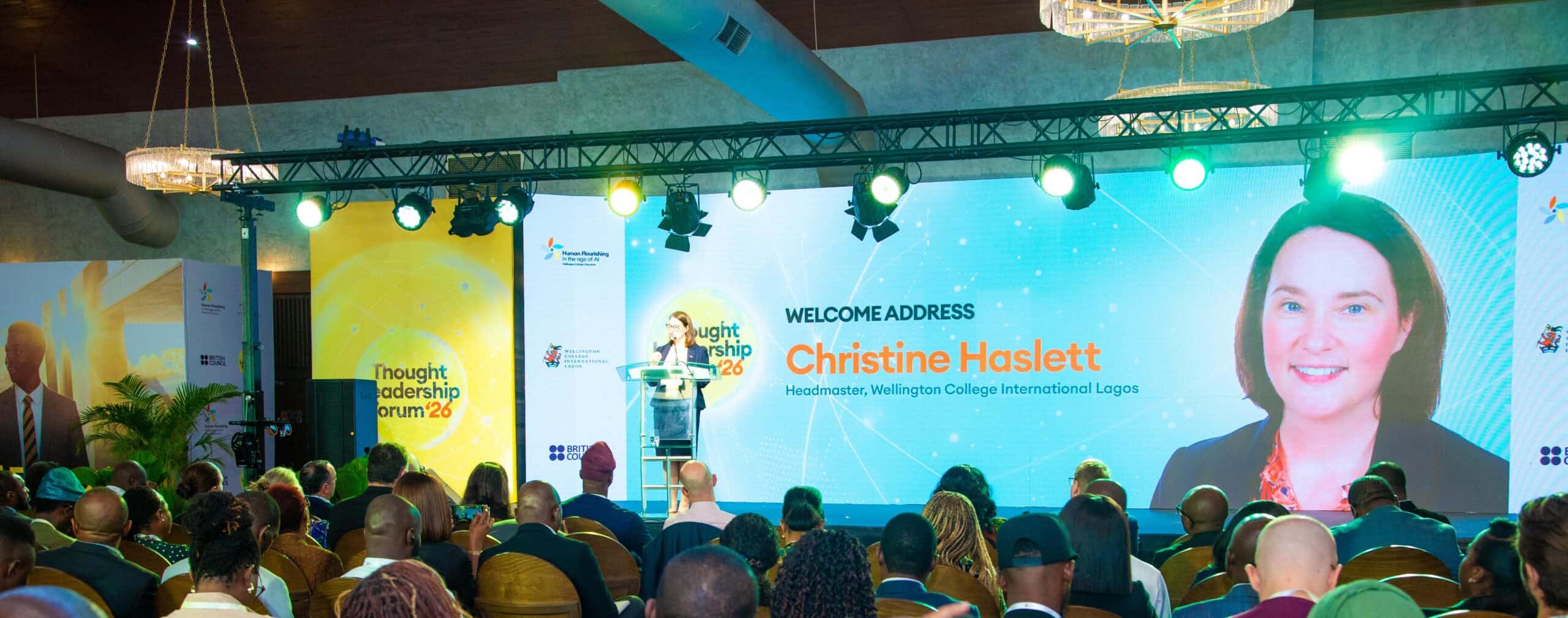
Setting the tone for the discussions, Mrs Christine Haslett, Founding Headmaster of Wellington College International Lagos, delivered the welcome address, emphasising the importance of nurturing character, curiosity and a sense of purpose alongside academic excellence.
She highlighted the shared responsibility of schools, families and wider society in preparing young people to navigate a rapidly changing world.
Exploring the Changing Relationship Between Education and AI
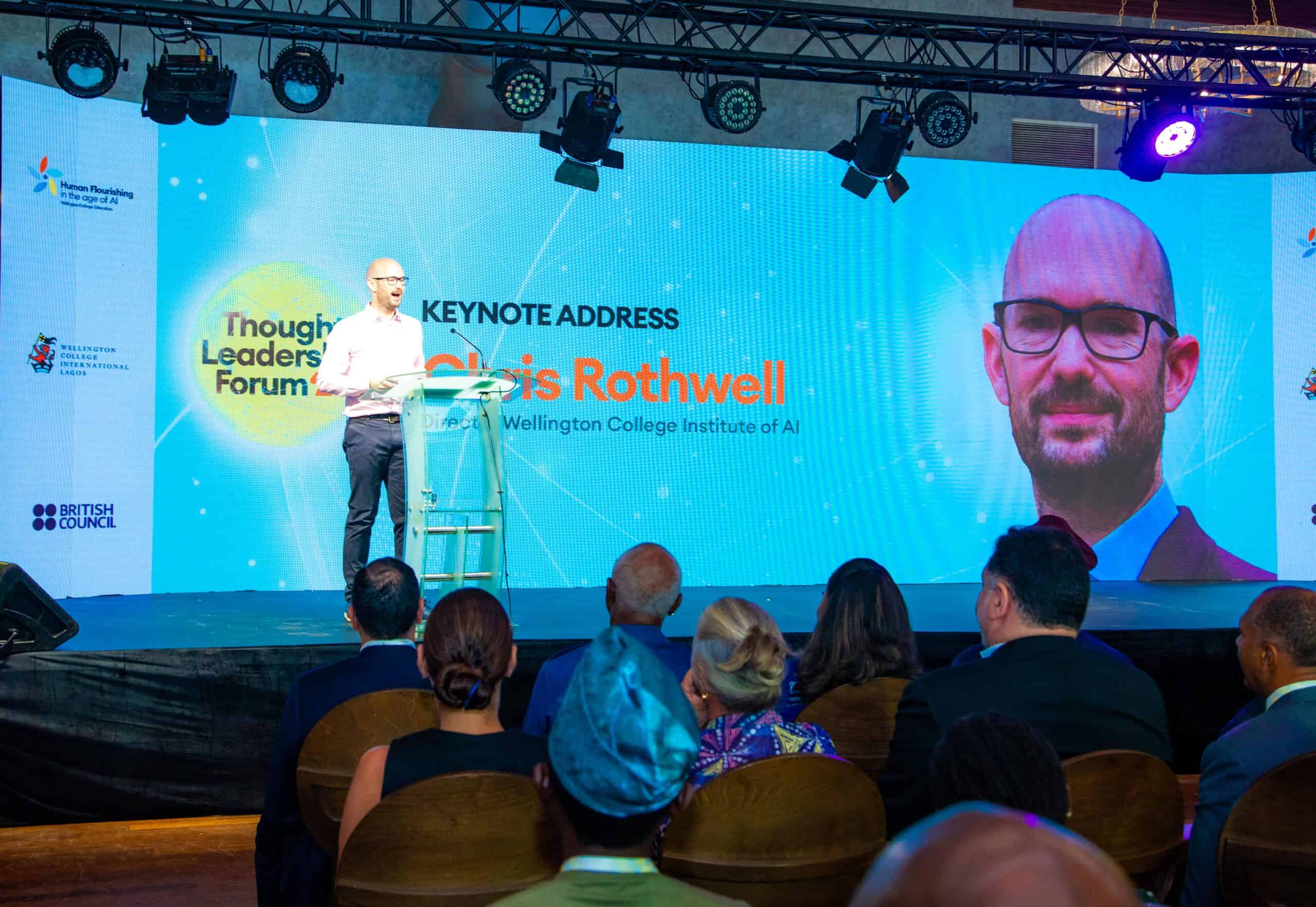
A key highlight was the keynote address by Chris Rothwell, Founding Director of the Wellington College Education Institute of AI, who explored the changing relationship between education and artificial intelligence.
His address examined the opportunities and challenges presented by increasingly capable AI systems, particularly their implications for how young people learn, think and prepare for the future. As he noted, “Human flourishing must therefore be central to how we prepare the next generation, not an aspiration we return to after technological progress.”
The forum also featured a specially recorded address by Sir Anthony Seldon, Founding Director of Wellington College Education and one of Britain’s leading educational thinkers, historians and authors. His contribution offered further perspectives on the purpose of education in an age of artificial intelligence, highlighting the importance of developing young people who can understand themselves and others, exercise sound judgement, adapt to change and build meaningful human relationships.
What Clinical Psychologists Wish Every Parent Knew About Their Child’s Mental Health
Industry and Education Leaders Examine the Future of Learning
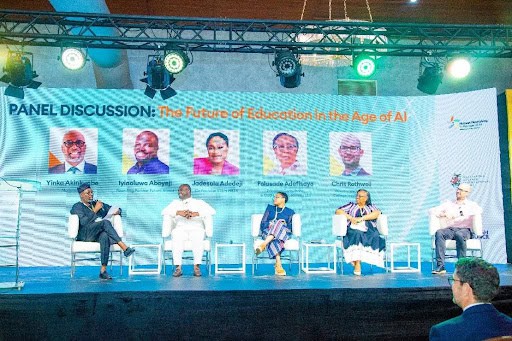
Another major highlight was the panel discussion, The Future of Education in the Age of AI, which brought together perspectives from education, technology and entrepreneurship.
The panellists explored how schools can balance strong foundations in traditional academic subjects with the critical thinking, creativity, problem-solving and practical capabilities young people will need to navigate the future. Moderated by Yinka Akinkugbe, the discussion featured:
- Chris Rothwell, Director of Wellington College AI Institute
- Iyinoluwa Aboyeji, Founding Partner, Future Africa
- Jadesola Adedeji, Co-Founder, STEM METS
- ·Folasade Adefisayo, Principal Consultant & CEO, Leading Learning Ltd
At the heart of all the conversation was Wellington College Education’s Human Flourishing in the Age of AI manifesto, which sets out its vision of education as a means of developing well-rounded individuals who can understand the world, exercise sound judgement, build meaningful relationships and make positive contributions to society.
The manifesto draws on the Organisation for Economic Co-operation and Development (OECD)’s Education for Human Flourishing framework, published in November 2025 in partnership with the International Baccalaureate.
The framework identifies five core competencies that young people should develop alongside traditional academic subjects: understanding the world, appreciating the world, adaptive problem-solving, ethical competence, and acting in the world.
Bringing Education and Policy Leaders Together
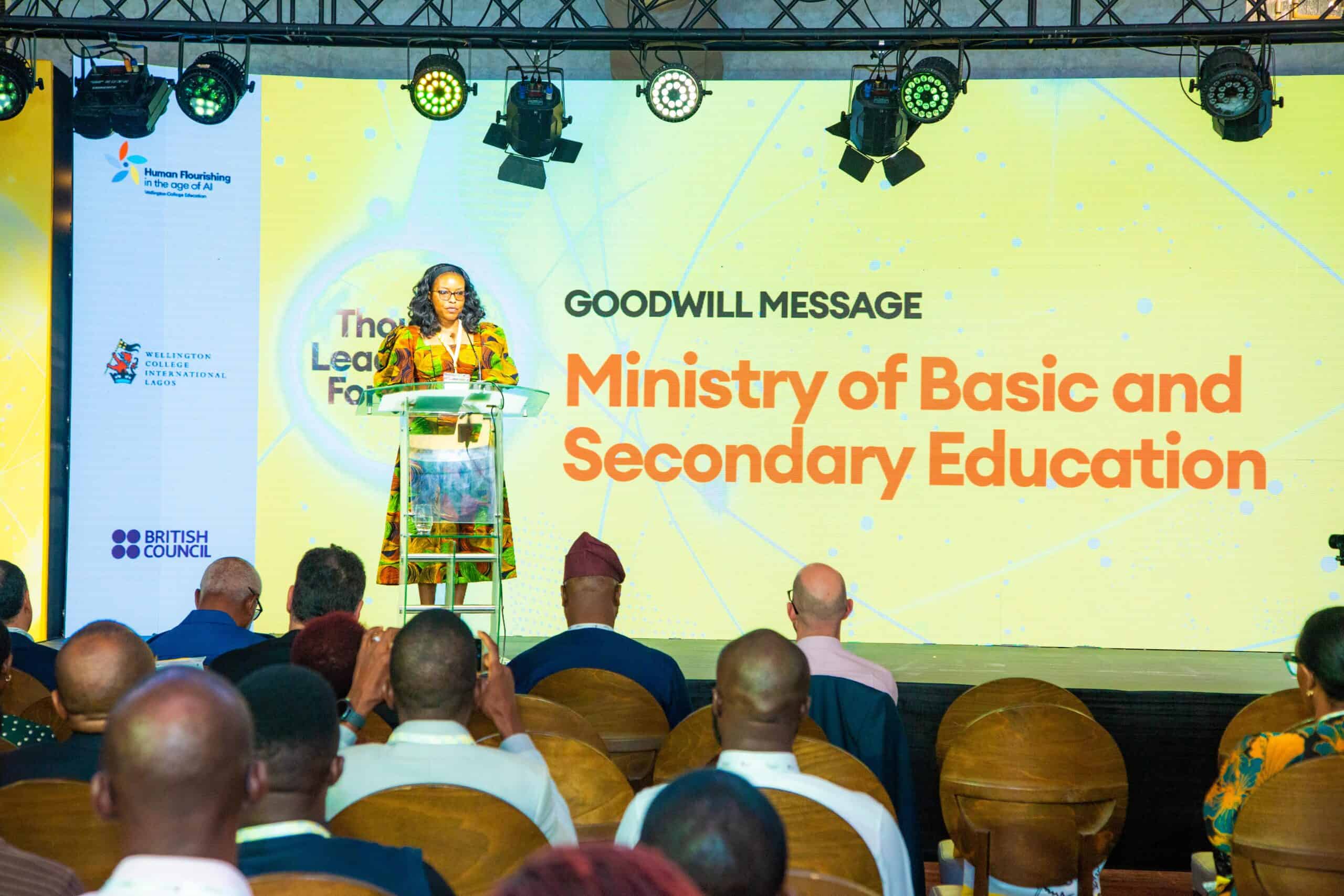
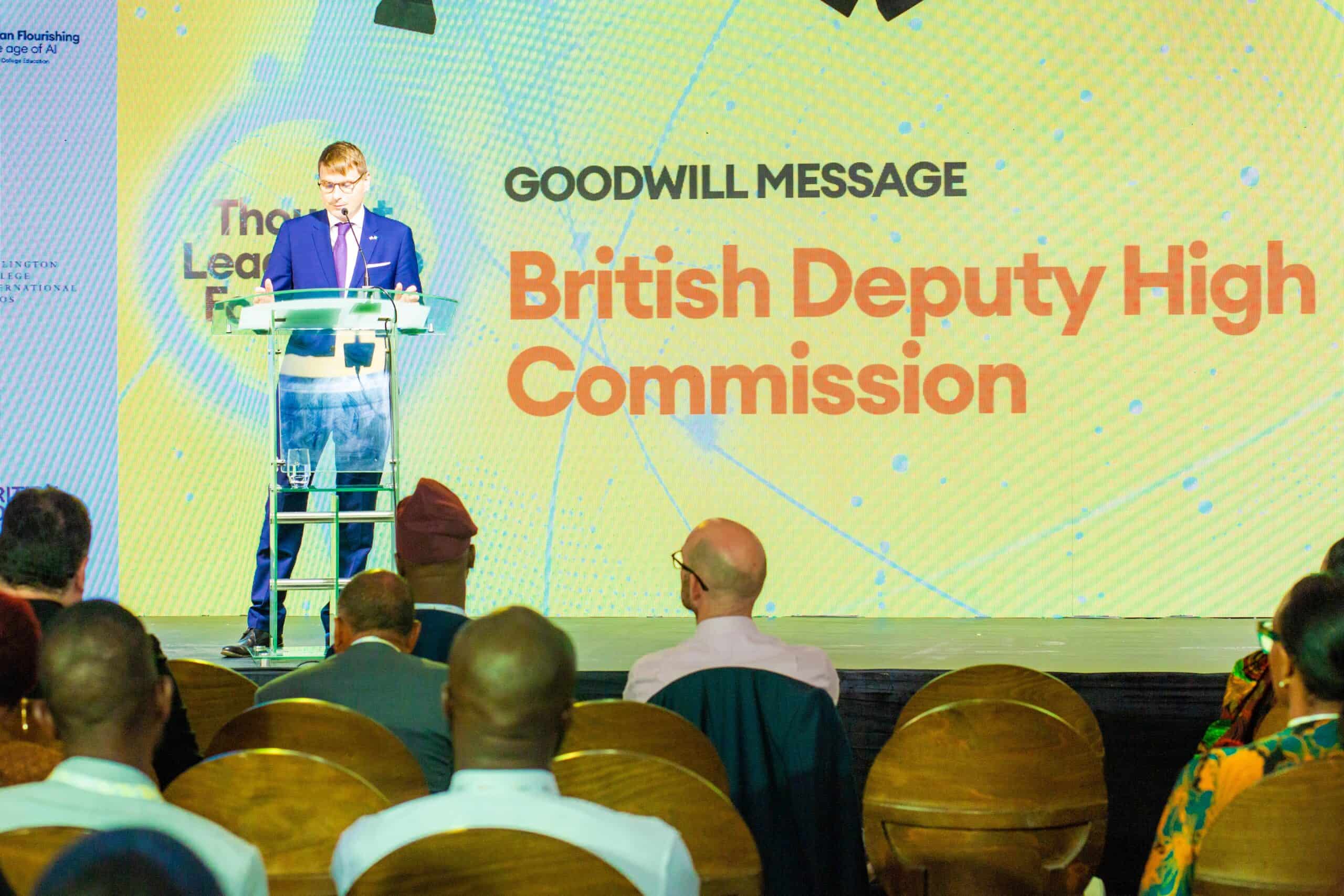
The event was attended by representatives of the Lagos State Government, the British Deputy High Commission, Alaro City and Rendeavour, Wellington College Education, alongside parents, partners, and educators including Oyindamola Martins, Director ICT, Ministry of Basic and Secondary Education representing the Permanent Secretary; Dr Sulaimon Ogunmuyiwa, Director General, Office of Education Quality Assurance (OEQA), Ministry of Basic and Secondary Education; Simon Field, Deputy Head of Mission, British Deputy High Commission, representing the British Deputy High Commission; Yomi Ademola, Chaiman West Africa, Rendeavour and Managing Director, Alaro City; Eyitayo Akanji, Director Examinations, representing the British Council, amongst others.
Shaping the Future of Education in Nigeria
As the school prepares to open in Alaro City, Lagos, in September 2027, the forum reflects its commitment to contributing to conversations about the future of education in Nigeria.
Through its global purpose of pioneering education to serve and help shape a better world, Wellington College Education is committed to an approach to learning that empowers young people not simply to adapt to the future, but to shape it.
See more highlights from the event below:
For more information, visit Wellington College to learn more