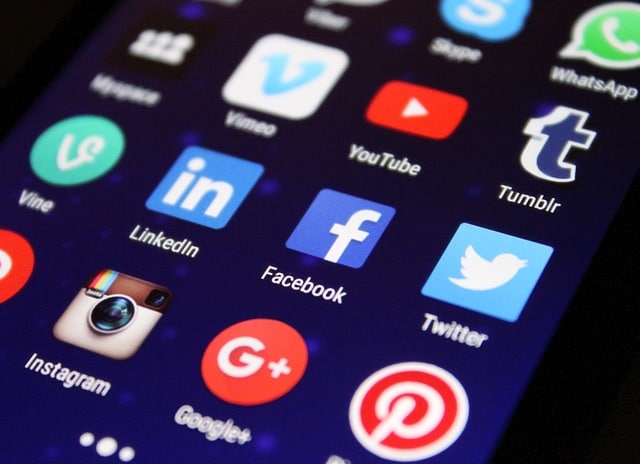
Is Banning Social Media Giving Childhood Back or Shifting the Threat? The Great UK Social Media Ban Debate
Restricting social media for minors under 16 protects adolescent brains during critical stages of psychological development and emotional growth. Setting a firm legal limit gives parents worldwide a powerful collective tool against algorithmic exploitation. This structural boundary directly combats the toxic peer comparison, sleep deprivation, and body-image issues that disrupt early adolescent growth milestones. While tech-savvy youth may seek loopholes, early delay remains the most effective foundation for long-term digital resilience.
The Changing Digital Landscape for Our Children
Parents across the globe face an overwhelming digital landscape today. Navigating screen time feels like an endless battle in many modern homes. Recently, countries like the United Kingdom and Australia proposed strict social media bans for children under sixteen. This major shift leaves many Nigerian mothers wondering about the real reasons behind these new age limits.
For over two decades, the age of thirteen served as the global standard for digital entry. Most platforms allowed children to create accounts the moment they celebrated their thirteenth birthday. However, policymakers and mental health experts now argue that thirteen is simply too young. They are pushing the baseline up to sixteen to protect vulnerable youth.
Understanding this change helps us protect our children more effectively in Nigeria. As modern mothers, we must look beyond the headlines to grasp the science of online safety. Let us dive deep into why sixteen has become the new global benchmark for digital adulthood.
The Science: Brain Development and Risk
The human brain undergoes massive rewiring during early adolescence, specifically between the ages of thirteen and fifteen. During this window, the prefrontal cortex remains highly underdeveloped. This specific area of the brain manages impulse control, emotional regulation, and understanding long-term consequences.
Meanwhile, the brain’s reward system becomes incredibly sensitive to social validation and peer approval. Modern social media features exploit this exact neurological vulnerability with precision. Algorithmic feeds, instant likes, and infinite scroll options create powerful, addictive design loops. These features easily disrupt a young teenager’s sleep, focus, and emotional stability.
By age sixteen, a teenager’s cognitive control and critical thinking skills become significantly more resilient. They can evaluate online risks with better judgment and emotional balance. Large-scale data reveals a distinct spike in psychological distress among users between ten and fifteen. Prolonged scrolling during these specific formative years correlates heavily with rising anxiety and depression. Young girls especially experience severe drops in body image and self-esteem due to curated feeds.
Furthermore, early social media use frequently displaces critical real-world growth milestones. Sleep deprivation remains a major hazard because algorithms keep younger teens scrolling late into the night. This lack of rest directly stunts physical and neurological development during vital growth years. Face-to-face peer interaction is replaced by algorithm-driven environments, which often increase feelings of isolation.
Setting the boundary at sixteen also aligns perfectly with other major global legal standards. In many countries, sixteen is the age for driving, entering the workforce, or consenting to medical choices. Lawmakers view it as a logical transition point into adult spaces and responsibilities.
The Surprising History of the Age 13 Standard
Many parents assume the age thirteen limit was chosen based on psychological readiness or child safety research. Surprisingly, this standard happened entirely by accident due to an old American data privacy law. The U.S. Children’s Online Privacy Protection Act, known as COPPA, was passed way back in 1998.
When Congress wrote this law, modern social media platforms did not even exist. Lawmakers simply wanted to stop early internet companies from harvesting personal data from young children. The law stated that websites could not collect data from children under thirteen without verified parental consent.
Verifying parental consent proved to be legally complex and highly expensive for rising tech companies. To bypass this rule, emerging platforms like Facebook and Instagram created a simple workaround. They added a line to their terms of service banning users under thirteen.
Consequently, thirteen became the default global threshold for digital adulthood for over twenty years. It was never a psychological benchmark designed by child development experts. We have been using a corporate data loophole to measure our children’s emotional readiness for the digital world.
The Specifics of the UK Social Media Ban
The UK government officially announced a total ban on social media access for children under sixteen. This ambitious policy is slated to come into effect in Spring 2027. It targets what ministers call a growing crisis of online exploitation, cyberbullying, and deteriorating youth mental health.
The legal framework relies on secondary legislation tied to two major pieces of law. These are the Online Safety Act and the Children’s Wellbeing and Schools Act. Together, they empower the state to restrict high-risk functions across wider digital spaces for anyone under eighteen.
These high-risk functions include features like live-streaming and unrestricted communication from strangers. The restrictions extend beyond traditional apps to encompass gaming platforms and interactive AI chatbots. The path to 2027 requires deep cooperation between the state and independent tech watchdogs.
The government has officially tasked the online safety regulator, Ofcom, with a massive administrative mandate. Ofcom must review the market and define the exact parameters for acceptable age verification by October. This means evaluating biometric tools and data systems to prove a user’s real age online.
The Case For: Protecting the Vulnerable
Proponents of the ban view the 2027 timeline as a critical turning point for child safety. For years, grassroots campaigns led by bereaved parents have argued that commercial algorithms are fundamentally unsafe. They believe tech features actively harm developing young minds.
For the majority of parents, the law provides a collective sigh of relief. It removes the intense social pressure to give a child a smartphone or open social media accounts prematurely. Many parents feel forced into compliance simply because “everyone else is doing it.”
For the majority of parents, the law provides a collective sigh of relief. It removes the intense social pressure to give a child a smartphone or open social media accounts simply because 'everyone else is doing it. Share on X
Supporters argue that severing access to infinite-scroll feeds will directly combat the toxic peer comparison plaguing young teenagers. It reduces the dangerous sleep deprivation and deep body-image issues driven by aggressive algorithmic recommendations.
Furthermore, the law forces platforms to transition away from easily bypassed “self-declaration” age checks. Instead, tech companies must implement Highly Effective Age Assurance (HEAA). This approach utilizes robust, third-party identity verification rather than basic honor systems.
The Case Against: The Blunt Rule
Conversely, a substantial cohort of experts argues that a blanket age ban is fundamentally flawed. Many psychologists, tech analysts, and sociologists view it as a well-intentioned but overly blunt instrument. Critics suggest that the policy addresses the symptoms of the internet rather than its core engineering.
The primary concern among civil society groups is that a total ban will drive harm underground. Tech-savvy teenagers will simply migrate off moderated, mainstream platforms into unmonitored, darker corners of the internet. These hidden spaces make online grooming and radicalization far harder to police.
Experts also note that a ban delays exposure rather than teaching digital resilience. A teenager cut off until their sixteenth birthday is suddenly thrust into an unregulated digital ecosystem. They enter adult spaces without the gradual digital literacy required to navigate online manipulation.
Expert Perspectives
According to Dr. Amrit Kaur Purba, Assistant Professor and Wellcome Fellow at the London School of Hygiene & Tropical Medicine:
“A ban should be viewed as one step within a broader public health strategy, not the final destination… When interventions are introduced into complex systems, the system adapts. Young people may migrate to alternative platforms, gaming environments, encrypted services, or AI-based tools.”
An age limit changes when children reach these platforms, not what is waiting for them. If harmful content remains and algorithms are not made safer, the same risks exist at sixteen. Early data from Australia’s ban supports these complex concerns. A significant percentage of underage users easily bypass blocks via virtual private networks (VPNs) and shared accounts.
What Exactly Will Be Banned vs. Allowed in the UK?
The modern legislative bans being rolled out do not target the entire internet blindly. Instead, they focus heavily on public-facing, algorithm-driven social media networks. The primary goal is protecting kids from toxic feeds while keeping them connected to real-world support systems.
Banned Platforms for Under-16s:
-
Core Social Networks: TikTok, Instagram, Snapchat, Facebook, Threads, and X.
-
Video and Live-Streaming: YouTube, Twitch, and Kick.
-
Forum Networks: Public discussion boards like Reddit.
-
Relationship Apps: Dating platforms and AI romantic companion chatbots.
Allowed Platforms and Exemptions:
-
Direct Messaging Apps: WhatsApp, Signal, and Apple iMessage remain fully exempt.
-
Gaming Platforms: Roblox, Discord, and Steam are allowed but face strict safety settings.
-
Education and Support: Google Classroom, YouTube Kids, and online mental health helplines remain completely accessible.
Because messaging apps are left untouched, a new digital loophole is quickly emerging. Teenagers blocked from TikTok are migrating rapidly to WhatsApp group chats. They use these private groups to share memes and videos away from public algorithms. This shift means parents must now focus on keeping private group chats safe and respectful.
Debunking the Myths of Social Media Bans
As we discuss these global changes, we must separate digital myths from parenting facts.
Myth: Banning social media completely removes all online risk for our children.
Fact: Tech-savvy kids often find access through friends, alternative devices, or hidden accounts. True safety relies on digital literacy and consistent parental supervision rather than simple blocks.
Myth: Social media platforms are only harmful to children under sixteen.
Fact: The core persuasive design of these apps is inherently harmful to users of all ages. Tech companies must change their algorithms to create genuinely safe, child-friendly spaces.
Myth: If a child avoids social media, they are automatically safe from harm.
Fact: Emotional readiness, open family communication, and strong behavioral boundaries dictate true safety.
Myth: Parents can fully control their teenager’s entire digital universe.
Fact: Ongoing parental influence matters significantly more than rigid digital control. Healthy digital habits are shaped through trust, empathy, and open conversations at home.
Practical Steps for LagosMums
We cannot wait for local laws to change before we protect our households in Nigeria. Start by having open, non-judgmental conversations with your children about how algorithms work.
Delay access to public, algorithm-driven apps until your child shows emotional maturity. Focus your energy on monitoring private messaging setups like WhatsApp groups closely. Build a family culture where your children feel safe sharing their online mistakes without fearing immediate punishment.
Build a family culture where your children feel safe sharing their online mistakes without fearing immediate punishment. Share on X
The Path to 2027 for UK Users
As the first set of regulations is laid down, the next few months will be critical. The UK government has tasked Ofcom with defining the parameters for acceptable age verification by October.
Whether the ban successfully gives children their childhoods back remains an open question. It may alternatively create a logistical nightmare that drives youth safety further into the shadows. What is clear, however, is that the UK has committed to an unprecedented digital experiment. This policy choice will permanently alter the fabric of modern adolescence.
READ ALSO
Should Schools Ban Smartphones
Reclaiming Childhood in the Age of Smartphones: Why Delay Is Digital Wisdom