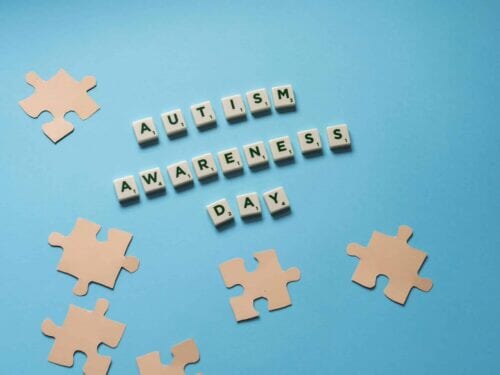
April 2nd is World Autism Awareness Day, the global conversation is undergoing a powerful transformation. We are moving beyond the era of simple “awareness” and entering a season of intentional acceptance and radical inclusion.
The theme for 2026, “Autism and Humanity – Every Life Has Value,” serves as a profound reminder for our community. Neurodivergence is not a deficit to be “cured”; it is a natural variation of the human experience that adds depth, color, and strength to our society.
The Cutting Edge: What 2026 Research Tells Us
Research in the last 18 months has fundamentally shifted how we understand the autistic brain. For parents and educators, these updates offer a new lens of hope and precision:
- The “Four Autisms” Discovery: A landmark study in Nature Genetics (late 2025) identified four distinct biological subtypes of autism. This explains why two children with the same diagnosis can have vastly different strengths. We now know that some subtypes are linked to early developmental delays, while others are more closely tied to later-emerging traits like anxiety or ADHD.
- The Shared Biology of Autism & ADHD: New findings have confirmed a significant overlap in brain connectivity between autism and ADHD. If your child has a “dual diagnosis,” science now suggests these aren’t always separate conditions but rather a shared underlying biology.
- Closing the Gender Gap: A 2026 study published in The BMJ revealed that by adulthood, autism rates are almost identical in men and women. We are finally learning that girls often “mask” their traits better, and new gender-sensitive screening tools are ensuring girls in our community are no longer overlooked.
- A Shift to Neuro-Affirming Care: The biggest trend in 2026 is Neuro-Affirming Practice. The goal is no longer to make a child “act normal,” but to provide “Precision Support” tailoring the environment to a child’s specific sensory and communication needs so they can flourish as their authentic selves.
Why “Neuro-Affirming” is the Buzzword for 2026
You might start hearing the term “Neuro-Affirming Care” in your doctor’s visits or therapy sessions this year. But what does it actually mean for a Lagos Mum?
In the past, many therapies focused on “masking” i.e. teaching our children to hide their traits to fit in (like forcing eye contact even if it’s painful). In 2026, the global medical community has officially shifted. We now understand that forcing a child to “act normal” leads to deep exhaustion and burnout.
Neuro-affirming care means:
-
Support, not suppression: We stop trying to “fix” the autism and start fixing the environment.
-
Validating “Stimming”: Recognizing that repetitive movements (like hand-flapping or rocking) are actually a child’s way of staying calm and focused.
-
Prioritizing Communication: Whether a child uses words, a tablet, or sign language, every voice is valid.
The bottom line for 2026: When we stop asking our children to change who they are and instead give them the tools to be their best selves, that is where the magic happens.
Curated Resources from LagosMums
On this Autism Awareness Day we have selected essential resources to help you navigate this journey with knowledge and confidence.
1. The Foundation: Understanding the Spectrum
- Seven Things To Know About Autism: The perfect “101” guide. It explains sensory sensitivities and why identifying “triggers” is the key to preventing meltdowns.
- Autism Spectrum Disorders: Your Questions Answered: A comprehensive FAQ that tackles common myths and provides a clear checklist for early signs in toddlers.
- Helping Your Child with Autism Sleep Better: Most children with Autism have sleeping difficulties. A lack of a good night’s sleep can affect not only the child but everyone in his or her family
2. Stories of Brilliance and Resilience
- How An Autistic Child Can Excel: This article shifts the narrative from disability to possibility, reminding us that every child has a unique brilliance waiting to be unlocked.
- An Educationist View on the Reality of Autism: There are so many myths about autism so we decided to talk to an educationist, Mrs. Adewole the director of TLP Centre, Lekki, Lagos
- Mum of the Month: Tonye Faloughi-Ekezie: A masterclass in resilience. Tonye shares her journey of raising a child with Down syndrome with autistic traits.
3. Specialized Care & Inclusive Education
- LagosMums Talks Autism: Myths vs. Facts: An in-depth look at the unique challenges of raising a neurodivergent child in the bustling environment of Lagos.
- How School Affects a Child’s Gifts and Talents: The school that a child attends affects and goes a long way in encouraging every child’s gifts and talents.
- How to Choose the Right School for a Child with Autism: Finding the right school for your child is an important decision; but there is more to think about if your child needs extra levels of attention
4. The “Invisible” Spectrum: Women and Girls
- Empowering Women and Girls with Autism: Highlights why autism presents differently in girls and how to protect their social well-being.
- Neurodivergent Burnout in Women Entrepreneurs: A must-read for the mums! Many of us may be “masking” our own neurodivergence while balancing business and family.
Share these resources in your school WhatsApp groups, with your family, and on social media. Together we can build a world where no matter how your brain is wired, you are seen, valued, and supported.