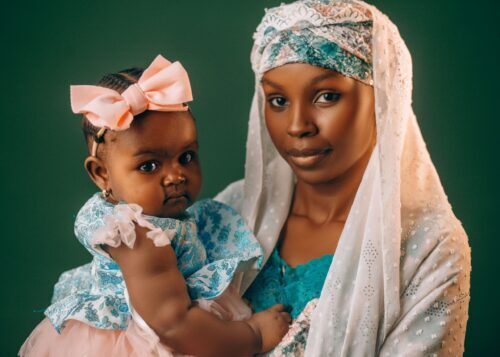
Postpartum depression and postpartum psychosis are distinct conditions that impact maternal mental health in Nigeria, requiring compassionate support, professional evaluation, and immediate clinical treatment for mothers across the country.
Having a baby is often described as one of the happiest moments in a woman’s life. But for many new mothers, the weeks and months after childbirth can feel overwhelming. There may be sleepless nights, breastfeeding difficulties, physical pain, pressure from family, and financial concerns. Managing partner relationships and caring for a newborn adds enormous responsibility.
Sometimes, a mother may say, “I am just tired.” At other times, she may cry, and everyone around her assumes it is because of her hormones. Sometimes she may stop eating, withdraw from people, or say she feels like she is failing as a mother. And sometimes, something much more serious may be happening, and it may be too late.
Postpartum depression and postpartum psychosis are real medical and mental health conditions. It is important to note that they are not signs that a woman is ungrateful, weak, possessed, or a bad mother. Understanding the difference and knowing when to seek help can save a mother’s life and protect her baby.
Postpartum depression and postpartum psychosis are real medical and mental health conditions. It is important to note that they are not signs that a woman is ungrateful, weak, possessed, or a bad mother. Understanding the difference and… Share on X
Not Every Difficult Emotion After Childbirth is Postpartum Depression
After giving birth, many women experience what is commonly called the “baby blues.”
A new mother may cry easily, feel overwhelmed, or become irritable, anxious, or moody. These symptoms usually begin within the first few days after childbirth and generally improve within about two weeks.
The baby blues are very common among mothers. The American College of Obstetricians and Gynecologists notes that they can occur in up to 85% of women. When symptoms are severe, continue beyond two weeks, or prevent daily functioning, seek professional medical care. That is where postpartum depression comes in.
What is Postpartum Depression?
Postpartum depression is a depressive disorder that can develop during pregnancy or after childbirth. It can occur during the first year after having a baby, although it commonly begins within the first few weeks. Postpartum depression is more than being tired or having a bad day.
A mother experiencing postpartum depression may feel continuously:
- Sad or empty
- Overwhelmed
- Hopeless
- Worthless or guilty
- Irritable or angry
- Anxious or constantly worried
- Disconnected from her baby
- Unable to enjoy things she previously enjoyed
She may also experience difficulty sleeping, even when the baby is sleeping. She might experience changes in appetite, poor concentration, low energy, or difficulty carrying out everyday activities. Some women with postpartum depression may have thoughts of dying or thoughts of harming themselves or their baby.
Importantly, not every mother with postpartum depression looks sad. Some mothers may appear constantly angry, withdrawn, overwhelmed, or unusually anxious.
How Common is Postpartum Depression?
Postpartum depression is not rare.
The World Health Organization estimates that more than 10% of women globally experience depression during pregnancy or after giving birth. Rates are noticeably higher in developing countries. The World Health Organization estimates that approximately 19.8% of women in developing nations experience a mental disorder, primarily depression, after childbirth.
Research specifically involving Nigerian women demonstrates that postpartum depression is a significant, widespread health concern.
A study of women attending primary healthcare centres in Eti-Osa, Lagos, found postpartum depression symptoms in 35.6% of the 250 mothers studied at six weeks after delivery. The study identified factors including lack of help caring for the baby, intimate partner violence, an unsupportive partner, and postpartum blues as associated predictors.
A study of women attending primary healthcare centres in Eti-Osa, Lagos, found postpartum depression symptoms in 35.6% of the 250 mothers studied at six weeks after delivery. Share on X
Another local study involving women six weeks after delivery diagnosed postpartum depression in 14.6% of 876 postpartum women.
These figures should not mean that every mother shares identical risk. Studies differ in location, sample size, timing, and diagnostic methods. However, research clearly shows that postpartum depression remains a critical focus for maternal mental health in Nigeria.
Why Nigerian Mothers May Be Particularly Vulnerable
There is no single cause of postpartum depression.
Biological shifts following childbirth, previous psychiatric struggles, traumatic deliveries, severe sleep deprivation, and newborn care demands all contribute. These factors directly affect overall maternal mental health in Nigeria.
The social environment matters immensely too. For a Nigerian mother, postpartum life often involves expectations from several directions at once:
“When are you going back to church?” “Why is the baby not sleeping?” “You should be able to breastfeed.” “You have to take care of your husband too.” “Your mother managed six children; why are you complaining?” “Don’t let people know you are struggling.”
A woman may be recovering from surgery while managing breastfeeding difficulties, financial stress, limited assistance, or family conflict. Such pressures increase her vulnerability to postpartum depression.
Research across the region links inadequate social support and domestic violence directly to clinical depression. An African systematic review confirmed higher odds of postnatal depression among women experiencing poor social support, adverse obstetric outcomes, poverty, and partner violence. Improving maternal mental health in Nigeria requires addressing these systemic social pressures head-on.
Telling a struggling mother to simply “be grateful” is not mental health care.
What About Postpartum Psychosis?
This is where families need to pay particular attention. Postpartum psychosis is rare, but it is a psychiatric emergency. It is different from the baby blues and different from ordinary postpartum depression. Postpartum psychosis can develop suddenly, often within the first two weeks after childbirth. The NHS estimates that it affects approximately 1 in 1,000 mothers after giving birth.
The symptoms can develop within hours or days, which means a woman who appeared completely well yesterday may become seriously unwell today.
Postpartum psychosis may involve:
- Hallucinations (hearing, seeing, feeling, or experiencing things that others do not)
- Delusions (strong beliefs that are not based in reality)
- Extreme suspiciousness or paranoia
- Severe confusion
- Disorganized speech or behaviour
- Very little need for sleep
- Unusually high energy or agitation
- Rapidly changing moods
- Manic behaviour
- Severe depression
- Thoughts or beliefs involving harm to herself or the baby
The American College of Obstetricians and Gynecologists notes that postpartum psychosis involves hallucinations, delusions, paranoia, disorganization, and lack of insight into the illness.
What Might Postpartum Psychosis Look Like at Home?
Families often misunderstand what they see at home.
A mother might say, “Someone is trying to take my baby.” She may become convinced that her husband, mother, neighbour, nurse, or another person is trying to harm her.
In another scenario, she might hear a voice telling her to do something, and she might insist that the baby has a special supernatural identity or that she has received a special message that others cannot understand.
She might go for a very long period without sleeping and still appear extremely energetic. She may speak rapidly, jump between unrelated ideas, behave completely out of character, or become extremely agitated and confused.
To a family unfamiliar with mental illness, these symptoms may be interpreted as spiritual attack, possession, witchcraft, or simply “acting out of character.” Whatever the family’s beliefs may be, these symptoms require urgent medical assessment. A family can pray and seek spiritual support if that is meaningful to them, but prayer should not replace emergency medical and psychiatric care.
Postpartum Depression or Psychosis? The Lifesaving Warning Signs Every Nigerian Family Must Watch For Share on X
A Critical Difference: Depression vs. Psychosis
A mother suffering from postpartum depression may recognize that she is struggling.
For example, she might say, “I feel somehow. I don’t know what is wrong with me.”
Someone experiencing psychosis may not recognize that what they are experiencing is symptoms of an illness. They may believe with all conviction that the voices, visions, or unusual beliefs are real. That lack of insight is one reason postpartum psychosis can become dangerous very quickly.
When Should a Family Be Concerned?
Watch for a significant change from the mother’s usual behaviour.
Red flags include:
- Emotional changes: Persistent sadness, hopelessness, extreme anxiety, panic, severe irritability, or dramatic mood shifts associated with postpartum depression.
- Behavioural changes: Becoming unusually withdrawn, acting extremely restless, staying awake for prolonged periods, or neglecting basic personal hygiene.
- Thinking changes: Extreme suspiciousness, confused thinking, difficulty making sense, unusual or bizarre beliefs, or hearing and seeing unseen things.
- Safety concerns: Expressing suicidal thoughts, speaking of self-harm, talking about harming the infant, or responding to dangerous command hallucinations.
Treat any concern about suicide, homicide, or infant harm as an absolute emergency.
What Should You Do If You Suspect Postpartum Psychosis?
Do not wait for the next routine appointment. Postpartum psychosis requires immediate medical evaluation and hospital treatment. If a mother shows hallucinations, severe confusion, or dangerous behavior:
- Do not leave her alone: Keep a trusted adult by her side constantly while arranging medical intervention.
- Ensure physical safety: Have another responsible family member take over immediate baby care if safety concerns arise.
- Avoid arguing: Never debate her hallucinations or call her “mad.” Calmly assure her that she is safe and help is coming.
- Seek immediate hospital care: Transport her to an emergency department or psychiatric hospital right away. Call 112, the official Nigerian emergency line, for rapid help.
Federal Neuro-Psychiatric Hospitals operate in Lagos, Abeokuta, Kaduna, Enugu, Kano, Calabar, Sokoto, Benin, Maiduguri, and other states. Teaching hospitals and emergency rooms can also assess and refer psychiatric emergencies immediately.
What If It Is Postpartum Depression Rather Than Psychosis?
Postpartum depression deserves prompt professional attention as well. Therapy, clinical counseling, and safe medications can treat postpartum depression effectively. Mothers do not need to suffer severely before accessing support for maternal mental health in Nigeria.
She can start by speaking with:
- Her obstetrician/gynaecologist
- A psychiatrist
- A clinical psychologist
- Her primary healthcare provider
- A trusted healthcare professional involved in her postnatal care
Clinicians use screening tools like the Edinburgh Postnatal Depression Scale (EPDS) to evaluate symptoms accurately. Researchers have validated a Yoruba translation of the EPDS specifically for screening mothers in Nigerian clinics.
What About Breastfeeding and Medication?
Many Nigerian mothers avoid medical help because they fear antidepressants force them to stop breastfeeding. That assumption is inaccurate.
Qualified doctors can prescribe safe psychiatric medications compatible with nursing. Medical guidance emphasizes that necessary treatment for postpartum depression should not automatically be withheld from nursing mothers.
Note: Always consult a licensed psychiatrist before starting, stopping, or altering any psychiatric medication.
How Husbands, Mothers, Sisters, and Friends Can Help
A mother battling postpartum depression might not realize how ill she has become. Relatives and friends must step in with active support.
Don’t only ask: “How is the baby?” Ask: “How are YOU doing?” And keep checking in regularly.
Offer practical support:
- Watch the baby so she gets uninterrupted sleep.
- Prepare healthy meals.
- Accompany her to clinic visits.
- Listen without passing judgment.
- Limit stressful home visitors.
- Never compare her journey to other women.
- Take any mention of self-harm seriously.
- Encourage professional medical care early.
What Nigerian Families Need to Stop Saying
Harmful cultural narratives often stop women from receiving timely medical attention for postpartum depression.
Avoid harmful phrases such as:
- “You just need to pray harder.”
- “Every woman goes through this.”
- “You should be grateful; you have a healthy baby.”
- “Don’t let people know you’re having problems.”
- “It’s just hormones.”
- “You are not the first woman to have a baby.”
Instead, offer supportive words:
- “I believe you.”
- “You don’t have to go through this alone.”
- “Let’s speak with a healthcare professional.”
- “Your health and well-being matter.”
What About the Mother Who Doesn’t Feel Immediately Bonded to Her Baby?
Delayed maternal bonding requires patience and deep compassion. Emotional connection with a newborn often grows gradually over time.
However, persistent emotional detachment combined with postpartum depression requires clinical support. Proper therapeutic intervention restores maternal well-being, helping mothers bond closely with their infants.
A Final Message to Mothers
Motherhood is not a test of endurance. Loving your child deeply does not make you immune to postpartum depression. Seeking mental health treatment demonstrates strength, not weakness or failure.
Postpartum depression responds well to treatment, and emergency psychiatric care resolves psychosis. Reach out immediately if you feel overwhelmed after delivery. Family members who observe dramatic behavioral shifts in a new mother must act quickly. Prioritizing maternal mental health in Nigeria protects mothers, infants, and entire families.
Sometimes the most important question after childbirth isn’t: “Is the baby okay?” It is: “Is the mother okay too?”
If You Need Urgent Help
In emergencies involving hallucinations, severe confusion, or safety risks, seek emergency hospital care immediately. Dial 112 across Nigeria for emergency services.
For routine concerns regarding postpartum depression or maternal mental health in Nigeria, schedule an appointment with a psychiatrist, clinical psychologist, or obstetrician.
Read Also
- How to Build a Strong Postpartum Support Network in Lagos
- Practical Tips for Managing Sleep Deprivation as a New Mum
Other Resources
- World Health Organization — Perinatal Mental Health Overview
- American College of Obstetricians and Gynecologists — Postpartum Depression Clinical Guidance
- NHS Official Guidance on Postpartum Psychosis
- Nigerian Communications Commission — Emergency Communications Centres (112)
About the Author
Chioma Ugochi Onyemaobi is a licensed clinical psychologist with five years of professional experience and is currently a PhD candidate in Clinical Psychology. Her expertise spans critical areas including anxiety, trauma, stress, burnout, and substance use. In her practice, Chioma bridges the gap between evidence-based care and real-world impact. She integrates Cognitive Behavioral Therapy (CBT) and mindfulness-based interventions to help individuals build resilience and achieve lasting psychological change. Beyond the clinic, she is a passionate advocate for mental health and workforce wellbeing. Chioma is dedicated to developing practical resources, such as Psychological First Aid and safe-workplace frameworks, designed to strengthen mental health outcomes for individuals and the wider community. Connect with Chioma on LinkedIn or Email: chiomaonyemaobi4@gmail.com