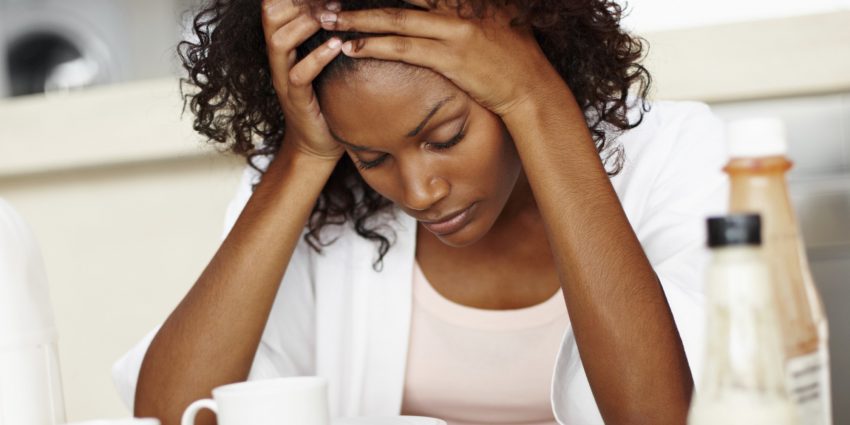
Holding your baby in your arms is one of the best feelings in the world. The awe and excitement of finally bringing your baby into the world cannot be explained with mere words. However, nothing prepares you for the different emotions that strike afterward.
The experience of pregnancy and childbirth is often followed by sadness, fear, and anxiety. Many women have difficulty finding the energy to care for themselves, their infants, and their families.
Postpartum disorder (PPD) is different from the baby blues, which can make you feel moody, weepy, tired, and anxious. Baby blues usually get better within a few hours or days after birth, but PPD does not.
What is Postpartum Depression
PPD is characterized by persistent feelings of hopelessness, worthlessness, and difficulty bonding with your infant. It is a medical condition, not a reflection of your ability to parent.
A mum shared with us that after quite a difficult pregnancy and childbirth, the first time she held her baby in her arms, she was happy. She was happy that she was alive and healthy. However, when she took her home, the feeling of euphoria left. She stopped being happy and started being angry.
She hated hearing her cry at night, she hated having to wake up to feed/change her, and she hated herself as well for feeling that way. It took her a while, alongside counseling, to get past that point and truly show love to her daughter, irrespective of what she went through to have her.
Postpartum depression is a serious illness that can occur in the first few months after childbirth. It can also happen after miscarriage and stillbirth. This depression can last for months. Postpartum depression can make you feel very sad, hopeless, and worthless. You may also have trouble caring for and bonding with your baby.
Postpartum Depression is a complex mix of physical, emotional, and behavioral changes that happen in some women after giving birth. Unlike the baby blues, PPD can occur anytime within the first year of childbirth, as well as after a miscarriage or stillbirth.
You are not alone
Most mums usually feel alone and cannot share how they feel because of our cultural beliefs. Sometimes, other women will make you feel like it is not possible to ever feel that way about your own child. But the truth is that you are not alone. The fact that it did not happen to them does not mean it cannot happen to anybody.
Any woman may become depressed during pregnancy or after having a baby. It doesn’t mean you are a bad mother. Postpartum Depression is not something to be swept under the carpet, or assume it does not happen in our society.
Postpartum Depression is not something to be swept under the carpet, or assume it does not happen in our society Share on X10 Common Signs of Postpartum Depression
If you are wondering if what you are feeling is PPD, look for these consistent patterns:
-
Persistent Sadness: Feeling empty, hopeless, or “flat.”
-
Loss of Interest: No longer enjoying hobbies or everyday activities.
-
Appetite Changes: Significant weight loss or overeating.
-
Sleep Disturbances: Inability to sleep even when the baby is sleeping.
-
Brain Fog: Difficulty concentrating or making simple decisions.
-
Guilt & Worthlessness: Feeling like a “bad mother” or feeling excessive guilt.
-
Anxiety: Constant worry or panic attacks.
-
Irritability: Feeling intense anger or rage toward yourself or others.
-
Social Withdrawal: Withdrawing from friends, family, and your partner.
-
Bonding Issues: Finding it hard to feel an emotional connection to your baby.
Cause
According to WebMD, the cause of postpartum depression is not clear. The sharp drop in the hormones estrogen and progesterone after childbirth may trigger the illness, and lack of sleep can contribute as well. Some women feel conflicted about their changing identity and new responsibilities, and this can factor in. If you’ve had depression in the past, you’re more likely to develop postpartum depression.
Tips to Feel Better
If you’re feeling depressed, the following strategies may help you feel better.
- Accept help from family and friends.
- Rest when you can.
- Spend time with other new mothers who can relate to what you’re going through.
- Hire a babysitter and take time for yourself.
- Make an effort to get a little exercise every day. Eating a healthy, balanced diet and drinking plenty of water can also help you start to feel more like yourself again. Another benefit of eating right and exercising: You’ll get your pre-baby body back quicker, and that will give your self-esteem a boost.
Postpartum Depression can escalate into postpartum psychosis if left untreated. If you are experiencing any of the symptoms above, you need to speak up. Talk to your doctor or psychologist, pastor, or us here at LagosMums, and we will guide you in the right direction on what the next step is.