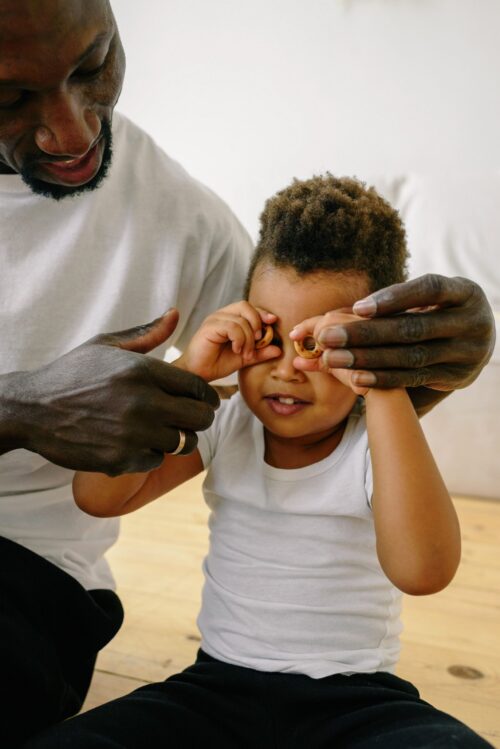
Emotional resilience in Nigerian boys develops when parents actively replace the “man up” narrative with emotional intelligence, safeguarding, and open communication. Embracing positive masculinity teaches boys that vulnerability is a strength, protects their mental health, and prepares them to navigate the modern world safely. By teaching them to identify feelings, process stress, and seek support, we raise a generation of emotionally healthy, empathetic, and secure future leaders.
The Realities of the Nigerian Boyhood Experience
“You are a man, do not cry like a girl.”
“Be strong.”
“You are the man of the house.”
Many Nigerian boys hear these specific phrases from a very early age. Parents often speak these words with the best intentions. The core purpose is to build resilience, responsibility, and deep personal strength.
However, these restrictive messages can also teach young boys a harmful lesson. They learn that their emotions should be hidden, ignored, or entirely suppressed.
As parents and caregivers, we naturally celebrate our boys when they excel academically. We cheer when they show leadership potential or demonstrate independence.
While these achievements deserve celebration, we must look deeper into their daily experiences. How often do we wonder what they felt while striving to achieve a milestone? How frequently do we ask our boys how they are truly feeling inside?
| Traditional Expectations | Positive Masculinity |
|---|---|
| • Emotional silence and suppression | • Emotional intelligence and empathy |
| • Dominance and aggressive drive | • Respect, accountability, and safety |
| • Rejecting help as a sign of weakness | • Seeking guidance and collaboration |
In raising boys, we must look far beyond academic success or future earning potential. We must intentionally nurture their emotional well-being from early childhood. This intentionality helps them develop a balanced and healthy understanding of modern masculinity. The boys we raise today will become the men who shape our homes, workplaces, and society tomorrow.
One day, our boys will navigate life completely on their own without us. Therefore, as parents, caregivers, and communities, we must evaluate our current parenting methods.
Growing up in Nigeria comes with highly unique societal expectations for young boys. Many are raised to believe they must always display physical and emotional strength. Share on X
They are taught to protect others, lead teams, and eventually become the primary financial providers. While these values encourage responsibility, they can easily be misinterpreted. Consequently, they place enormous, unrealistic pressure on growing boys.
From the home to the school playground, boys receive subtle messages about manhood. They absorb these ideas from social media, classrooms, and family gatherings. They are taught that vulnerability equals weakness, and they learn that emotions must remain hidden. In many cases, asking for help is treated as a shameful sign of failure.
Society often fails to understand that true strength and emotional expression coexist beautifully. A boy can be deeply confident while remaining completely compassionate. Likewise, he can be exceptionally courageous and emotionally self-aware. He can maintain independence and still ask for support when facing difficult challenges.
These balanced traits form the absolute foundation of positive masculinity. Raising boys in modern Nigeria requires blending traditional values with fresh perspectives. This approach makes ample room for strength, vulnerability, and mental well-being.
Understanding and Implementing Positive Masculinity
Positive masculinity encourages boys to embrace foundational values like empathy, respect, and integrity. It promotes accountability, compassion, and high emotional intelligence.
This framework intentionally moves away from harmful ideas. It rejects the notion that manhood requires dominance, aggression, or absolute emotional silence.
Instead, it teaches boys that true strength includes:
- Treating every individual with genuine respect and compassion.
- Taking full responsibility for personal actions and choices.
- Expressing complex emotions in constructive, healthy ways.
- Building meaningful, supportive relationships with peers and adults.
- Seeking guidance from trusted mentors whenever help is needed.
- Standing up courageously for what is fair and right.
These qualities directly support long-term mental well-being. Furthermore, they help boys become healthier partners, fathers, friends, and community leaders.
Why Boys’ Mental Health Deserves Urgent Attention
Mental health challenges in boys frequently go unnoticed by parents and teachers. Society expects them to remain fully on top of their emotions. Because of this pressure, they may not express psychological distress through tears or descriptive words.
Instead, emotional struggles typically manifest through distinct behavioral changes:
- Increased irritability, sudden outbursts, or uncharacteristic anger.
- Total withdrawal from family interactions and close friendships.
- Sudden difficulty concentrating on tasks in the classroom.
- Aggressive behavior toward siblings, peers, or household pets.
- Noticeable changes in daily sleep patterns or regular appetite.
- Risk-taking behaviors used as a subconscious form of emotional expression.
- Complete loss of interest in activities they once thoroughly enjoyed.
When boys are repeatedly told to “man up,” they bury their emotions deeply. Over time, this intense emotional suppression severely damages their fragile self-esteem.
It negatively impacts their relationships and reduces their ability to cope with life’s challenges. It distorts how they perceive the world around them. Creating a safe space for boys to talk does not make them less resilient. Instead, it helps them develop vital skills to navigate difficult emotions safely.
Practical Steps for Parents to Raise Emotionally Healthy Boys
1. Make Feelings Part of Everyday Conversations
Parents must create daily opportunities for boys to talk without any fear of judgment. Instead of only asking standard questions like, “How was school?” try expanding your approach.
Ask your son open-ended questions:
“What was the absolute best part of your day today?” “What did you find difficult or frustrating about today?” “How did that specific situation make you feel inside?”
These small, consistent conversations help boys build emotional awareness. They also develop a precise vocabulary to describe their inner world.
2. Replace Harmful Phrases with Supportive Language
The specific language we choose shapes how boys understand themselves. We must intentionally swap outdated phrases for empowering affirmations.
- Swap “Boys don’t cry” with “It is completely okay to cry.”
- Swap “Be a man” with “It is perfectly normal to feel this way.”
- Swap “Stop being weak” with “It is okay if you do not know what to do next.”
3. Model Healthy Emotional Expression
Children learn primarily by watching the behaviors of the adults around them. Fathers, uncles, teachers, and male role models play a powerful role here.
They must show boys that experiencing and expressing emotions is normal. When boys see men communicate openly, they learn valuable lessons. Witnessing an adult apologize sincerely or ask for help proves that vulnerability and strength exist together.
4. Encourage a Wide Range of Varied Interests
Not every boy will love playing football. Not every boy enjoys rough or highly physical play. Parents should allow boys to explore diverse interests freely.
Whether they prefer music, technology, cooking, reading, sports, art, or dance, give them freedom. Avoid attaching the concept of masculinity to specific activities or personality traits. A boy’s intrinsic value is never determined by how perfectly he fits traditional expectations.
5. Teach Healthy Ways to Cope with Everyday Stress
Help your son develop practical coping skills for life. These tools protect their digital and physical safety while processing stress.
Encourage them to use these healthy outlets:
- Talking honestly to a trusted, safe adult.
- Engaging in regular physical activity or sports.
- Journaling thoughts privately in a personal notebook.
- Participating in intentional prayer and faith-based practices.
- Practicing deep breathing exercises during moments of anxiety.
- Exploring creative activities like drawing, building, or playing music.
- Spending peaceful time outdoors in nature.
The ultimate goal is not to eliminate difficult emotions. The true objective is teaching boys how to manage those feelings effectively and safely.
A Shared Community Responsibility
In Nigeria, raising children is historically a deeply shared responsibility. Grandparents, teachers, religious leaders, extended family, and community groups all influence young minds. They heavily shape how boys understand the concept of masculinity.
Imagine the profound impact if every adult consistently reinforced these core truths:
- Your personal feelings matter deeply to us.
- Asking for help is a true sign of courage.
- Showing respect is infinitely more important than establishing dominance.
- Kindness is a profound form of personal strength.
- You never have to carry your heavy burdens alone.
When entire communities work together to support emotional well-being, everyone benefits immensely.
Raising Better Men Starts Today
The conversations we have with our boys today directly shape the men they become tomorrow. If we want men who communicate openly, we must act now.
If we desire men who build healthy relationships and support families, we must change our approach. We must begin by creating safe spaces where boys feel secure expressing themselves.
Our goal should never be to raise boys who never cry, struggle, or ask for help. Our goal must be to raise boys who know their worth is not defined by toughness alone.
Boys need more than just opportunities to succeed academically. They require absolute permission to feel. Providing that permission is one of the most powerful, life-changing gifts we can give them.
About the Author
Chioma Ugochi Onyemaobi is a licensed clinical psychologist with five years of professional experience and is currently a PhD candidate in Clinical Psychology. Her expertise spans critical areas including anxiety, trauma, stress, burnout, and substance use. In her practice,
Chioma bridges the gap between evidence-based care and real-world impact. She integrates Cognitive Behavioral Therapy (CBT) and mindfulness-based interventions to help individuals build resilience and achieve lasting psychological change.
Beyond the clinic, she is a passionate advocate for mental health and workforce wellbeing. Chioma is dedicated to developing practical resources, such as Psychological First Aid and safe-workplace frameworks, designed to strengthen mental health outcomes for individuals and the wider community.
Connect with Chioma on LinkedIn or via Email: chiomaonyemaobi4@gmail.com
READ ALSO